Best Mentored Real Estate Training Miami for Beginners: Where to Start
Miami is a hard place to start. Prices are high, competition is real and everyone seems to know someone who made a fortune here. That puts beginners off, and fair enough. Even the best mentored real estate training Miami can give you starts with a smaller step than most people expect. But hard isn’t the same as closed. It just means you need a sharper plan than "buy something cheap somewhere". This is the plan we’d give a new member at BPM REIA.
Start with the numbers, not the postcode
Echo Fine Properties’ August 2026 report put the Miami-Dade median sale price for single-family homes at $680,000, and $420,000 for condos and townhomes. Those are medians, so half the homes sold for more and half for less. They also reflect the mix of properties sold that month, and the same report warns against reading them as a guide to any one property. Your target isn’t the median. Your target is a specific property in a specific street, judged against sold comparables.
Neighbourhoods worth researching
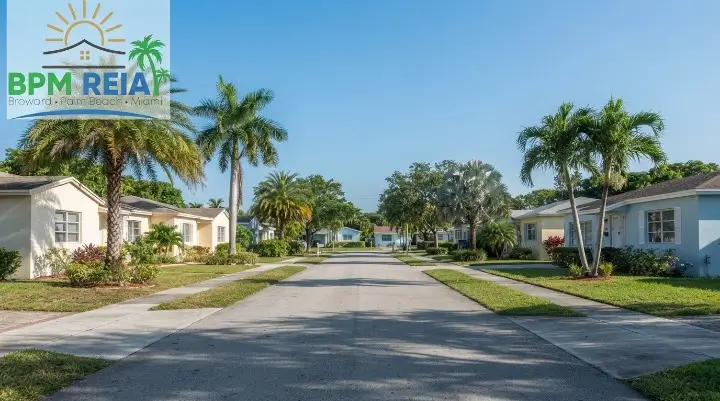
Beginners often begin where older, smaller homes still trade well below the county figure. Areas such as Hialeah, North Miami, Miami Gardens and Homestead are places some investors start their research, and it’s worth looking across the line into Broward and Palm Beach too. Treat that as a research list, not a recommendation. Pick two areas, learn them properly and ignore the rest for now.
Learning an area means driving it, checking sold prices from the last few months, and noticing what buyers actually pay for. A mentor who has closed deals there will save you weeks. For more on the wider market, see investing in Miami real estate and our look at the Miami real estate market forecast for 2026.
Price points and why they matter
Think in bands. An entry band suits wholesalers and first flips because the capital needed is lower and buyers are plentiful. A middle band offers bigger margins but needs more funding and a more careful rehab. Higher bands are for later. The rule we’d give is simple: price a property at what local buyers can actually finance. A flip priced above the neighbourhood’s ceiling sits, and every month costs you interest, tax and insurance.
Deal types to learn first
Not every strategy suits a beginner. This is the order we usually suggest.
- Wholesaling. It needs the least capital and teaches you to find, analyse and contract a deal. You’ll learn when an assignment works and when a double closing is better.
- Fix and flip. Once you can analyse a deal confidently, a small cosmetic flip is a good second step. See our guide on flipping houses in Florida.
- Buy and hold. Rentals build income slowly. Learn to run the numbers first with how to analyse rental properties before you buy.
- Creative financing and self-directed IRAs. Worth learning early as concepts, but usually used after your first closings.
Three deal types compared
A quick comparison of the deal types above, as a general guide.
| Deal type | Capital needed | What you learn | Where it usually fits |
|---|---|---|---|
| Wholesaling | The least of the three | Finding, analysing and contracting a deal | Often the first deal |
| Fix and flip | Purchase, rehab and holding costs | Rehab budgeting, ARV and managing a project | Often the second step |
| Buy and hold | Purchase price plus cash reserves | Running rental numbers and financing | Slower, builds income over time |
This is a general guide. Your own numbers, market and funding decide what fits.
A word on condos
Miami has a lot of them, and a longer time on the market can give you room to negotiate. But the cost of owning one is bigger than the price. HOA fees, special assessments, reserves, insurance and rental restrictions can change the economics completely. Beginners often skip that page of the paperwork. Don’t.

A sensible first month
- Choose two areas and pull sold comparables for the last six months.
- Analyse ten real properties on paper, even if you never bid on them.
- Decide which deal type you’re aiming for first.
- Come to a free event and meet people who are actually doing deals.
That last one matters more than it looks. It’s easier to keep going when you know people who have done it.
At BPM REIA, most new members begin with the 2-Day QuickStart, then move into the Core Coaching Program with a dedicated mentor. Qualified members can access up to 100% deal funding through our private lender network, so a first deal doesn’t have to wait on your savings. You’ll find more about best mentored real estate training in Miami and general real estate investing in Florida on our site. If you’d like to talk through your own situation, book a Discovery Call or start at the BPM REIA homepage.
Frequently asked questions
Can beginners invest in Miami with little money?
Yes, though the strategy matters. Wholesaling needs the least capital, and qualified BPM REIA members can access up to 100% deal funding through our private lender network.
Which Miami neighbourhoods are best for a first deal?
There’s no single answer. Many beginners research areas with older, smaller homes priced below the county median, then choose two and learn them through sold comparables and a mentor’s local knowledge.
What should a beginner learn first in real estate investing?
Most people start with wholesaling because it needs the least capital, then move to a small flip or a rental once they can analyse a deal confidently.
Best Mentored Real Estate Training Miami: Book Your Discovery Call
Thinking about a first deal in Miami? Book a call and we’ll talk through where to begin and what fits your situation.